
Turmeric Oil Aroma and Mood: What Scent Can Do
Some scents change a room the moment the bottle opens, and turmeric oil is one of them: warm, earthy and gingery, with a woody-spicy edge that sits somewhere between a spice drawer and a cedar chest. People naturally wonder whether a scent like that does something for mood. It is a fair question, and the most useful answer starts with what scent can reliably do, and what research has actually measured.
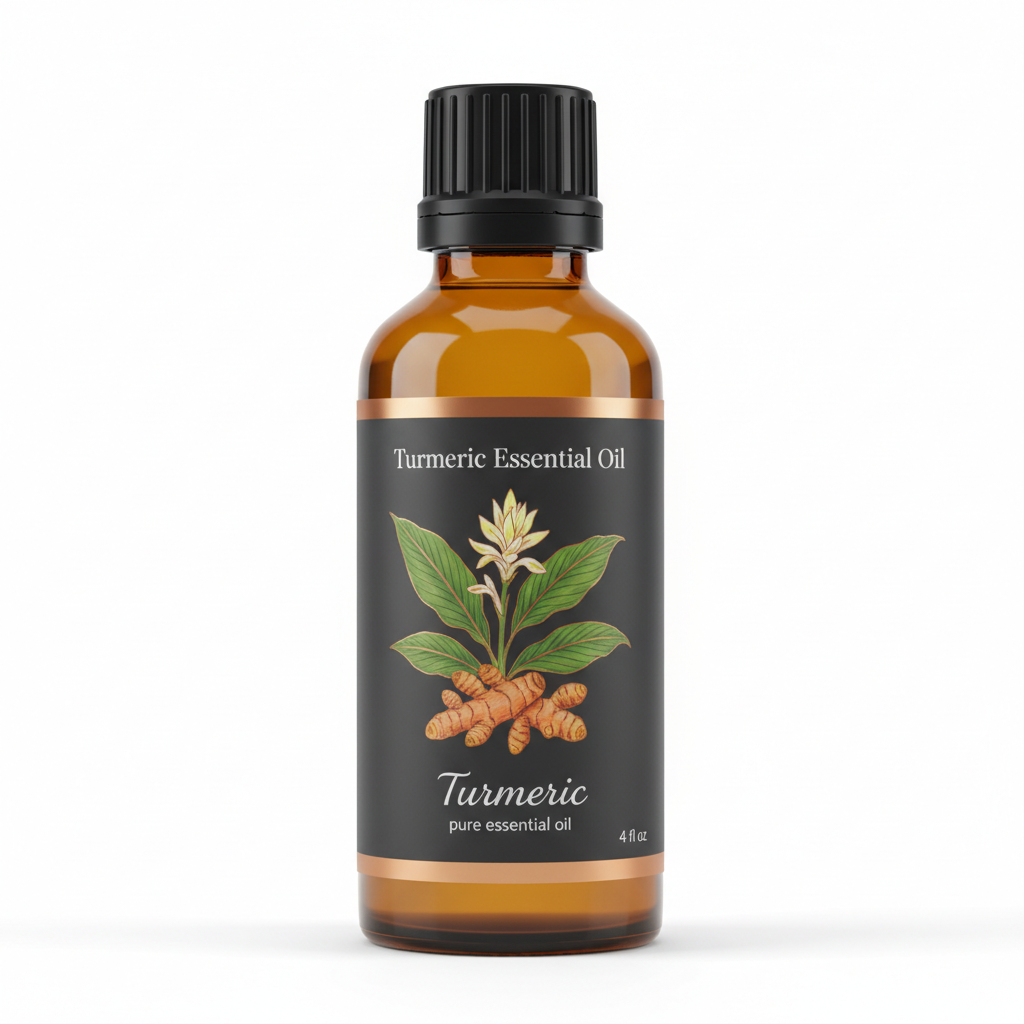
Turmeric Essential Oil
Our own Turmeric Essential Oil, in sizes from 0.5 oz to bulk.
From $12.99
Shop Now →What research has looked at
The US National Center for Complementary and Integrative Health describes aromatherapy as using essential oils from plants, most often by inhaling them or applying a diluted form to skin. On insomnia, it says that aromatherapy is sometimes used, but we do not know whether it helps because little rigorous research has been done. It also describes a study of two contrasting scents, lemon and lavender, in people under stress: lemon had a positive effect on mood, yet neither scent affected measures of stress, markers of immune changes or pain control.
That is a nice illustration of something worth knowing. A scent can make a moment feel better, and the result can be about the scent being pleasant, with no change in stress markers. We think of that as a perfectly good reason to enjoy aroma, and we leave it there.
Turmeric oil itself has little behind it in this territory. A 2026 review of turmeric rhizome oil, written by authors from an essential oil company, says clinical studies on turmeric essential oil and its constituents are scarce. So we do not borrow results from lemon or lavender and attach them to a different oil.
The same page notes that aromatherapy is sometimes folded into massage for various conditions, which is worth remembering when you read about results: a massage brings touch, time and attention along with the scent, and a study of the combination does not tell you what the scent alone contributes. That is our reading of how those pieces fit together, not a finding.
Why we describe scent and stop there
The US Food and Drug Administration is clear that whether a product is a cosmetic or a drug depends on its intended use, and that claims about depression, anxiety or sleep are drug claims. We sell an aromatic and cosmetic oil, so we describe the aroma and what we know of it and leave mood outcomes to the individual.
What does that leave? Something quite pleasant. Aroma is tied closely to memory and routine, so a scent you enjoy and return to at the same time each day can become a cue for that part of your day. That is ordinary association, and you do not need a study to enjoy it. If you are deciding whether turmeric oil is for you, open the bottle and smell it first. Its character is distinctive: spicy and warm, nothing like a floral or a citrus, and people tend to either love it straight away or want it in a blend.
A scent routine built on the senses
If you like the idea of a small ritual, make it about the senses and nothing grander. Pick a regular moment, such as when you get home or when you sit down with a book, and let the scent be one part of it, alongside the light, the chair and a warm drink in your hand. The oil is not doing the work alone. Part of the pleasure of any scent is the habit you build around it, and that is a pleasure you control.
Try the scent in more than one setting before you decide whether you like it. A paper strip held at arm's length gives a quiet impression, while a ventilated room with a diffuser running briefly gives a broader one. Many people find they prefer it in a blend with something brighter, which is a perfectly good discovery.
Enjoying the aroma well
Turmeric oil is a base-to-middle note, which means it gives a blend depth rather than sparkle. It blends well with ginger, sweet orange, ylang ylang, sandalwood, patchouli and cedarwood, which you can find at a supply shop or aromatherapy retailer, since we sell only turmeric oil. Our turmeric and sweet orange blend pairs it with a brighter top note, and our scent description goes deeper into how it smells.
A few practical habits keep the experience pleasant, all of them simple common sense:
- Diffuse in a ventilated room, and keep sessions short at first; a little of a rich scent goes a long way.
- Keep the bottle capped and stored in a cool, dark place, away from heat and direct light.
- Keep it away from children and pets. Animals, cats and birds especially, are far more sensitive to airborne oils than we are, as our pets article explains.
- If you are pregnant, nursing or have a medical condition, check with your physician before using essential oils, which is what our disclaimer says too.
Our oil is for aromatic and cosmetic use only, never for internal consumption. If you are looking for a way to build a simple routine around the scent, our evening ritual article is a good place to start, built on aroma and routine and nothing else.
If stress or low mood is something you are living with, a doctor or qualified mental health professional is the right person to talk to, and a pleasant scent can sit alongside that care, not stand in for it.
Turmeric Essential Oil
Turmeric Essential Oil from our own shop, in sizes from 0.5 oz to bulk.
From $12.99
Shop Now →