
Turmeric Oil in Pregnancy: What to Ask Your Clinician
Pregnancy and nursing are the moments when a simple question about a scented oil deserves a careful answer, and the honest one here is short: no authority we found has assessed turmeric essential oil in pregnancy or breastfeeding, so we do not give a pregnancy dilution. What we can do is show you what the relevant sources do cover, so you know exactly what to bring to your midwife, doctor or pharmacist.
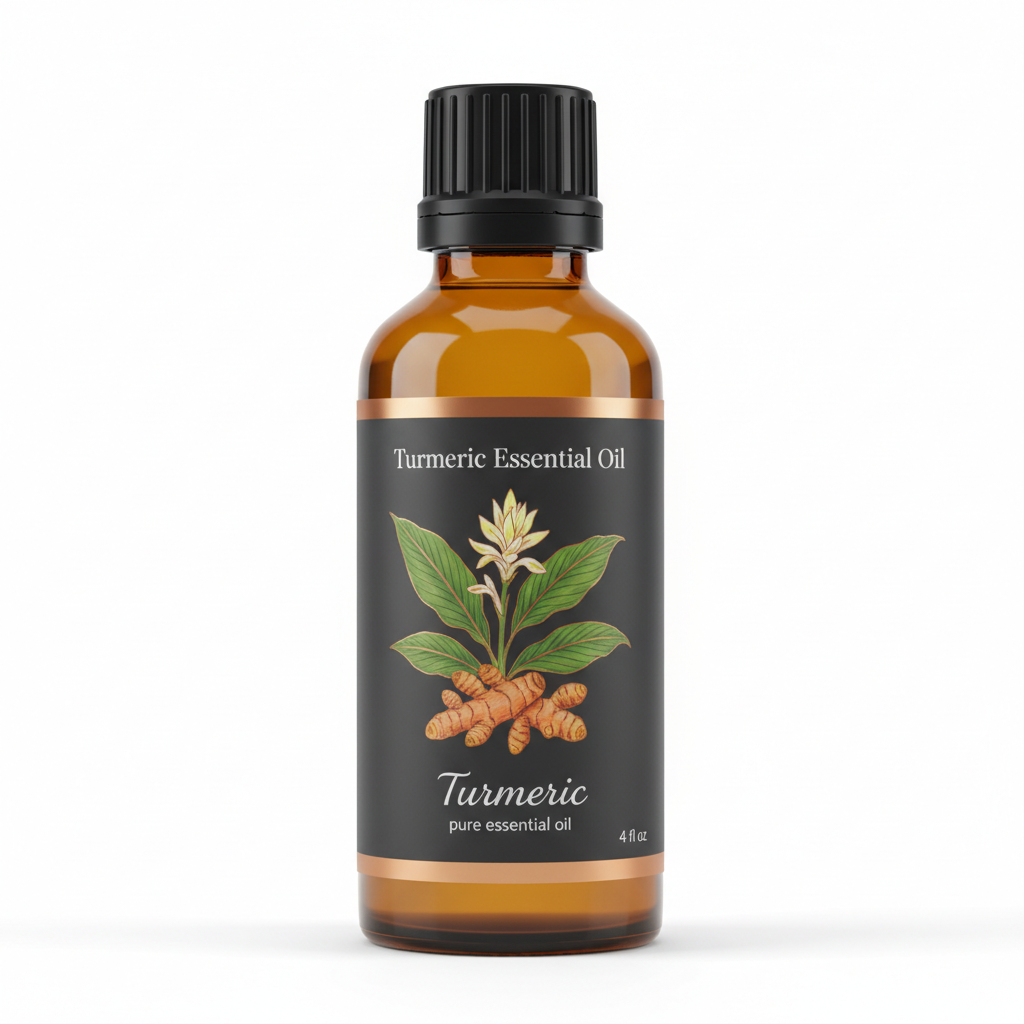
Turmeric Essential Oil
Our own Turmeric Essential Oil, in sizes from 0.5 oz to bulk.
From $12.99
Shop Now →What the sources actually address
Almost everything written about turmeric in pregnancy concerns turmeric as a supplement or medicinal dose, which is a different material from a steam-distilled aromatic oil. Our oil also contains no curcumin, the compound behind most of the supplement research, because curcumin is not volatile and does not travel over in the still.
The US National Center for Complementary and Integrative Health says that turmeric supplements may be unsafe during pregnancy, and that little is known about whether turmeric in amounts greater than those commonly found in food is safe while breastfeeding. The Welsh Medicines Advice Service, part of NHS Wales, says children, adolescents and pregnant women should avoid medicinal doses of turmeric until there is more evidence of its safety, and it describes the topic as turmeric taken orally as a medicine.
Notice what those lines are about: supplements and medicinal doses. Neither page speaks to a diluted aromatic oil. That gap works in both directions. Nothing on these pages forbids using one, and nothing clears it, which is exactly why a professional who knows your pregnancy is the right person to ask.
We know it can be frustrating to be told to ask someone else. The truth is that a clear answer for your pregnancy has to come from a person who knows your health, and we would rather say so than offer a number that sounds more certain than it is.
Why we leave the dilution question to your clinician
Our guidance for ordinary skin use is a dilution of 0.5% to 2% in a carrier oil, with a patch test first, and our disclaimer says to consult your physician before using essential oils if you are pregnant, nursing or have a medical condition. We stand by that wording because it keeps the decision where it belongs. A percentage would only pretend to a certainty that the sources do not have.
The US Food and Drug Administration offers a useful reminder that applies to anyone, pregnant or not: plants can contain materials that are toxic, irritating or likely to cause allergic reactions on skin, and a plant origin does not make a product safe by definition. A professional who knows your health can tell you what that means for you. The American Academy of Dermatology makes a related point about skin products in general, advising anyone pregnant or breastfeeding to check with their doctor before treating stretch marks, since some ingredients in skin products can harm a baby.
It is completely normal to feel unsure here, and it is worth saying so out loud at your next appointment. Clinicians hear questions about scented products all the time, and a short, specific question gets a short, useful answer.
Making the conversation easy
If you already own a bottle, or share a home with someone who uses one, these are the simple things worth doing:
- Tell your midwife or doctor the oil's name, Curcuma longa, and how it is used, whether in a diffuser or on skin.
- Ask about it the same way you would ask about any supplement, cream or tea.
- If a diffuser runs in your home and you would rather not breathe the scent for a while, ventilate the room or switch it off. This is ordinary common sense, not a finding from a study.
- If you have a medical condition or take medicines, mention those at the same time. Our medication notes collect what the sources say.
A tip that makes the conversation easier: take a photo of the bottle label, or bring the bottle itself. The name on the label, Curcuma longa, and a note of how you plan to use it, tells your clinician everything they need to start.
It also helps to be clear about what the oil is. We sell it as an aromatic and cosmetic oil, with a warm, earthy, gingery scent. We make no claim that it eases aches, helps sleep or does anything else during pregnancy, and the FDA is explicit that claims such as easing pain or helping you sleep are drug claims for aromatherapy products.
If you simply want to pause scented products for a while, that is a perfectly reasonable choice. The bottle will keep in a cool, dark place, and the aroma will still be waiting when you want it.
For more on how we think about safe handling, our broader notes on turmeric oil safety, children and storage and dilution sit alongside this one.
The best choice during these months is the one made with someone who knows your health, and that conversation is always welcome to start with the name on the bottle.
Turmeric Essential Oil
Turmeric Essential Oil from our own shop, in sizes from 0.5 oz to bulk.
From $12.99
Shop Now →