Cooking Corner: Turmeric, Olive Oil, and Paprika Done Properly
There is a particular moment each autumn when the kitchen shifts. The windows fog up, the light turns amber by four in the afternoon, and suddenly a pot of something golden and fragrant feels less like cooking and more like a small act of intention. That is precisely where turmeric, olive oil, and paprika earn their place on the stovetop.
This trio has been circling food-forward social media feeds and weekly meal-prep communities for good reason. Each ingredient brings something distinct to the pan, and when you get the ratios and timing right, the result is deeply savory, visually striking, and far more nuanced than the ingredient list suggests. Let us get into it properly.
Why This Combination Is Having Its Moment Right Now
Autumn and early winter are the seasons when warm spice profiles feel most at home. Turmeric's earthy, slightly bitter depth, paprika's sweetness or smoky edge (depending on the variety you choose), and olive oil's grassy, fruity richness create a layered foundation that complements root vegetables, legumes, and sturdy greens. These happen to be the exact ingredients flooding farmers' markets and grocery seasonal sections between September and February.
There is also a growing interest in spice-forward cooking that does not rely on excessive salt or heavy sauces. Home cooks are increasingly reaching for ingredients with color, aroma, and complexity. The olive oil turmeric paprika sauté answers that interest with minimal effort and a reliable payoff.
Understanding Each Ingredient Before You Cook
Turmeric: Handle With Respect
Fresh turmeric root and ground turmeric behave differently in the pan. Ground turmeric disperses quickly into fat and begins releasing its color almost immediately. Fresh turmeric is more fibrous and releases its compounds more gradually, which can actually work in your favor in longer braises or slow sautés.
One practical note: turmeric stains. Your cutting board, your fingertips, light-colored silicone spatulas. Work on a dark surface or lay down parchment when handling fresh root. The yellow pigment that does this is called curcumin, and it is fat-soluble, which is exactly why pairing turmeric with a good olive oil matters so much for flavor development.
Olive Oil: Quality Dictates the Outcome
Not all olive oil performs equally in a hot sauté pan. Extra-virgin olive oil has a smoke point that ranges roughly between 375°F and 405°F depending on its acidity and filtration level. For a medium-heat sauté, which is what this technique calls for, a good-quality extra-virgin works beautifully and contributes its own flavor.
A refined or light olive oil will handle higher heat with less flavor contribution. If you are building a base for a dish that will have many other bold elements, refined olive oil is a reasonable choice. If you want the oil itself to be a flavor layer, use extra-virgin and keep the heat moderate.
Look for harvest-dated bottles rather than best-by dates. Olive oil is freshest within 18 months of harvest, and older oil will taste flat, which defeats the purpose of using a quality fat in the first place.
Paprika: Choose Your Version Intentionally
Paprika is not a single ingredient. Sweet paprika offers mild pepper flavor and a vibrant red color. Smoked paprika (pimentón de la Vera from Spain is the gold standard) adds a woody, campfire-adjacent depth. Hot paprika brings measured heat alongside its color. Each one creates a genuinely different dish when paired with turmeric and olive oil.
For a crowd-pleasing weeknight sauté, sweet paprika lets turmeric lead. For a more robust, autumnal result, smoked paprika shares center stage and rounds out the bitterness of turmeric in a satisfying way.
The Core Technique: Sautéed Olive Oil, Turmeric, and Paprika
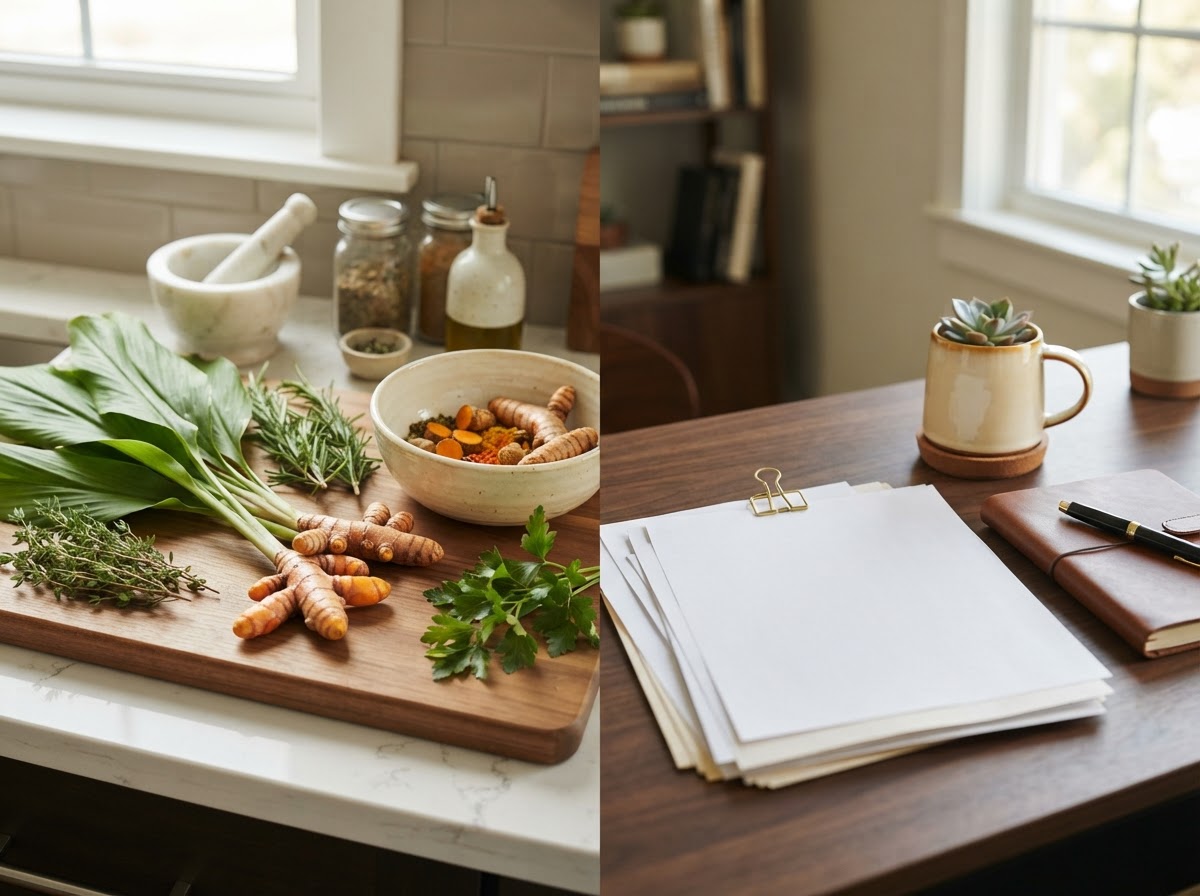
The essential technique here is blooming the spices in fat before any other ingredient enters the pan. This step is non-negotiable if you want depth of flavor rather than a dusty, raw-spice finish.
Base Ratios to Work From
| Ingredient | Amount (serves 2 to 3) | Notes |
|---|---|---|
| Extra-virgin olive oil | 3 tablespoons | Enough to coat the pan generously |
| Ground turmeric | 3/4 teaspoon | Increase to 1 teaspoon for bolder color and flavor |
| Smoked or sweet paprika | 1 teaspoon | Smoked for depth, sweet for brightness |
| Fine sea salt | 1/2 teaspoon | Adjust after tasting at the end |
| Black pepper, freshly cracked | 1/4 teaspoon | Pairs well with turmeric for flavor development |
Step-by-Step Method
- Warm the pan first. Place a wide, heavy skillet (cast iron or stainless steel) over medium heat for about 90 seconds before adding any oil. A properly warmed pan distributes heat more evenly and reduces sticking.
- Add the olive oil. Pour in the oil and let it warm for about 30 seconds. You are not looking for shimmer or smoke. A gentle warmth is sufficient.
- Add the spices to the oil directly. Stir immediately and steadily for 30 to 45 seconds. The oil will deepen in color. This blooming stage releases the fat-soluble color compounds in turmeric and the aromatic oils in paprika. Watch the heat closely here: too hot and the paprika goes bitter.
- Add your aromatics. Diced onion, minced garlic, or sliced shallots go in next. They will absorb the spiced oil immediately and form the flavor backbone of your dish.
- Add the main ingredients. Cubed butternut squash, chickpeas, cauliflower florets, sliced bell peppers, cooked lentils. Whatever is seasonal and available. Coat everything in the golden oil as you stir.
- Finish with a small second pour of raw olive oil. Just before serving, a teaspoon of fresh extra-virgin olive oil added off the heat brightens the dish and adds a fresh, grassy note that the cooking process removes.
Seasonal Variations Worth Trying
Autumn: Squash and Smoked Paprika
Butternut squash cubed small becomes tender in about 12 minutes over medium heat in this spiced oil base. Add a handful of fresh sage leaves in the last two minutes. The sage crisps slightly in the oil and adds an herbal, slightly woodsy note that makes the entire pan smell like a proper autumn kitchen.
Winter: Cauliflower and Golden Chickpeas
Canned chickpeas, drained and patted very dry, develop a satisfying outer texture when sautéed in the turmeric and olive oil base at medium-high heat for five or six minutes before cauliflower florets are added. A squeeze of preserved lemon or fresh lemon juice at the end cuts through the richness beautifully.
Spring Transition: Asparagus and Sweet Paprika
As markets start showing asparagus in late winter and early spring, the same base works well with trimmed spears cut into two-inch pieces. The cooking time is short (about four minutes). Finish with fresh dill and a small spoonful of plain yogurt alongside for serving.
For Year-Round Versatility: Eggs
A shakshuka-adjacent preparation works in any season. After blooming the spices and softening diced onion and bell pepper in the spiced oil, add crushed tomatoes directly to the pan. Simmer until slightly thickened, then nestle whole eggs into the sauce and cover until the whites are just set. Serve directly from the pan with good bread.
Common Mistakes to Avoid

- Overheating the spices. Paprika in particular becomes acrid very quickly over high heat. Medium is your safest default for the blooming stage.
- Using old ground turmeric. Ground spices lose their potency and color after about six months once opened. If your turmeric looks more mustard-yellow than deep orange-gold, it has likely passed its peak. Buy in small quantities from stores with high turnover.
- Skipping the black pepper. Black pepper contains a compound called piperine that is often cited in culinary literature for its interaction with curcumin. From a purely flavor standpoint, freshly cracked pepper adds a sharpness that balances turmeric's earthiness well.
- Crowding the pan. If your vegetables are packed tightly, they steam rather than sauté. Work in batches or use a wider pan. Color and slight caramelization at the edges are what you are aiming for.
- Using low-quality paprika. Supermarket paprika that has been sitting in a spice rack for two years will contribute color but very little flavor. Seek out Hungarian sweet paprika or Spanish pimentón from a specialty grocer or online spice merchant.
A Note on Turmeric Beyond the Kitchen
If you have been exploring turmeric in your cooking routine, it may be worth knowing that turmeric shows up in a number of body-care and aromatic contexts as well. The same golden root that transforms a pan of vegetables has a long history in botanical skincare rituals. If that intersection of kitchen and self-care interests you, our guide on turmeric oil for skin and the golden glow routine explores how turmeric essential oil is incorporated into skin-care applications, and our complete guide to turmeric oil uses covers the full range of aromatic and cosmetic applications. For something seasonal and winding-down in nature, the piece on a golden evening ritual with turmeric oil pairs nicely with the kind of slow, intentional kitchen practice this sauté technique encourages.
Storing and Prepping Ahead
The spiced olive oil base itself can be made in advance and stored in a small jar at room temperature for up to five days. Bloom your turmeric and paprika in the oil, let it cool completely, then pour into a clean jar. When you are ready to cook, spoon a tablespoon or two directly into the pan as your starting fat. It saves time on weeknights and actually intensifies in flavor as the spices continue to infuse the oil.
Pre-mixed dry spice blends are another option. Combine turmeric, paprika, salt, and pepper in a small jar and keep it beside your stove. Measured and ready to go, it removes the small friction that keeps good cooking from happening on busy evenings.
A well-made sauté is about timing and temperature as much as ingredients. The olive oil turmeric paprika combination rewards attention at the beginning and patience in the middle. Rush neither the blooming stage nor the caramelization, and the pan will do most of the work for you.
Serving Ideas to Complete the Dish
Once your sautéed olive oil, turmeric, and paprika base is carrying the main ingredient of your choice, here are a few finishing moves that consistently work well:
- Spoon over cooked freekeh, farro, or pearl couscous for a substantial grain bowl
- Serve alongside flatbread with a bowl of labneh or hummus
- Toss with pasta and a ladleful of starchy pasta water to create a loose, golden sauce
- Use as a filling for roasted bell peppers or stuffed portobello mushrooms
- Layer into a grain-based soup as a flavor-packed topping rather than a stirred-in element
This sautéed olive oil turmeric paprika combination is honest, repeatable cooking. It works because the technique is sound and the ingredients, when sourced well, do not need much help. Get the blooming right, keep the heat moderate, and trust the process.