
Best Turmeric Oil Sizes: Which Bottle Should You Order First?
Buying your first turmeric essential oil bottle feels straightforward until you open a supplier's catalog and find six different sizes, three extraction methods, and prices ranging from suspiciously cheap to eyebrow-raising. The size question matters more than most shoppers realize. Order too small and you run out mid-project. Order too large and a poorly chosen oil goes rancid on your shelf before you reach the bottom.
This guide walks through what actually distinguishes a quality purchase, how to match turmeric oil sizes to your real-world usage, and which bottle format earns its place in a beginner's kit versus a seasoned formulator's supply cabinet.
Why Size Is a Quality Decision, Not Just a Budget Decision
Most shoppers regard bottle size as a pure cost calculation. Bigger bottle, lower cost per milliliter, done. But with turmeric essential oil, the math gets more nuanced. Turmeric oil is rich in ar-turmerone and other volatile aromatic compounds that oxidize over time, especially after a bottle is first opened. A 500ml jug that sits three-quarters full for eighteen months may deliver a noticeably different sensory experience by the end than it did at the start.
Usage rate, storage conditions, and formulation frequency all factor into which size is genuinely the best turmeric oil to buy for your situation. A correct size decision protects both your wallet and the quality of every batch you make.
What to Look for Before You Even Think About Size
Size is irrelevant if the oil itself is not worth buying. Before comparing milliliter counts, check these quality indicators on any product listing.
Botanical Name on the Label
Turmeric essential oil should list Curcuma longa as the botanical source. Some suppliers offer oils from related species like Curcuma aromatica (wild turmeric), which has a genuinely different aromatic profile. Neither is wrong, but you should know which one you are purchasing. A label that says only "turmeric oil" without a Latin name is a signal to ask more questions.
Extraction Method Stated Clearly
Steam-distilled turmeric essential oil and CO2-extracted turmeric oil are not interchangeable products. They differ in aromatic character, viscosity, and the range of aromatic compounds they carry. If a listing does not specify extraction method, contact the supplier. A reputable seller will know this detail immediately. For a full breakdown of the differences, see our guide on turmeric essential oil vs CO2 extract: which gold is which.
GC/MS Testing and Batch Transparency
Gas chromatography/mass spectrometry (GC/MS) reports show the actual chemical composition of a specific production batch. Reputable suppliers publish these reports or provide them on request. Look for ar-turmerone, alpha-turmerone, and beta-turmerone in the composition breakdown. If a supplier cannot produce batch-specific documentation, move on.
Country of Origin
India remains the primary producer of commercial turmeric essential oil, with meaningful production also coming from Sri Lanka and Indonesia. The origin affects both the aromatic character and the supply chain transparency. Origin should appear on the label or product listing without you having to request it.
Turmeric Oil Sizes: A Practical Breakdown
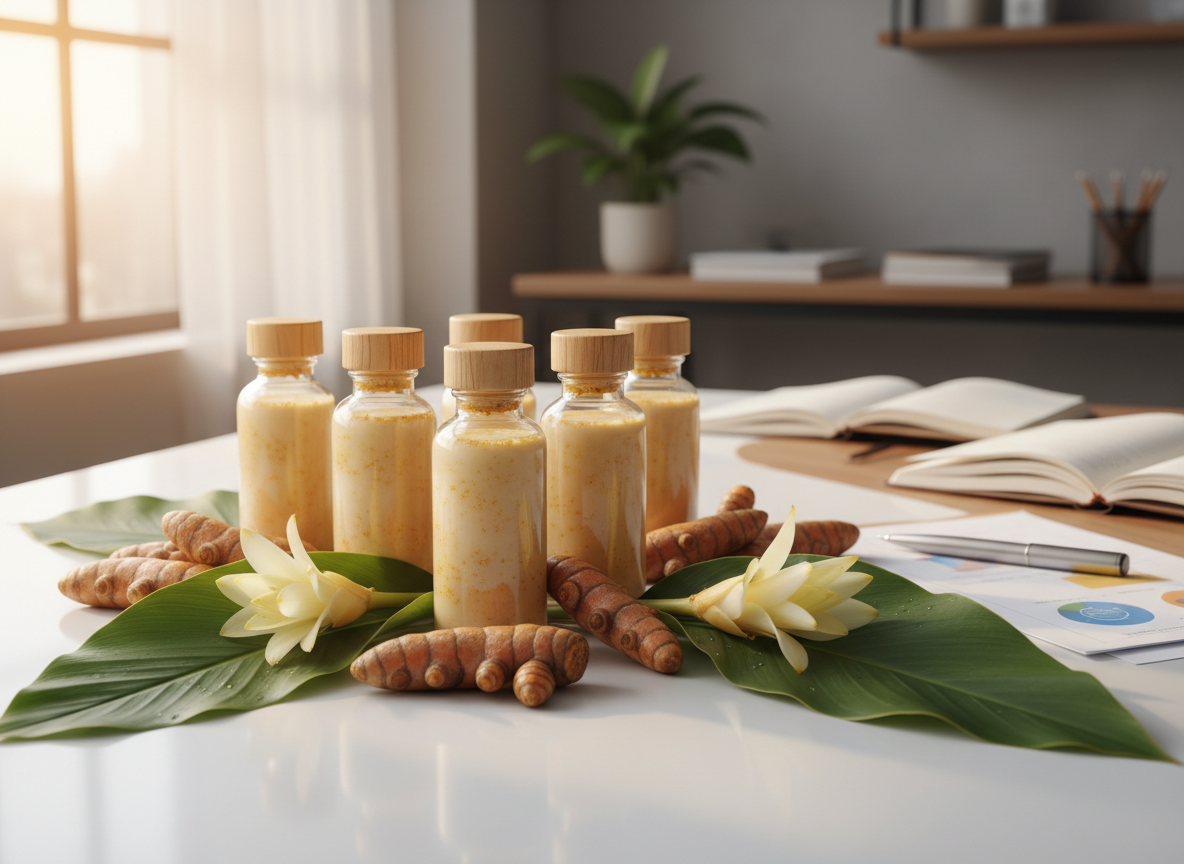
Here is how different bottle formats tend to serve different types of users.
5ml to 10ml: The Trial Size
Small vials suit first-time buyers who want to evaluate an oil's scent profile before committing to a larger quantity. Turmeric essential oil has a complex, earthy-spicy character with woody undertones that some people find unexpected on first encounter. A 5ml bottle lets you live with the aroma, run a small patch test, and experiment with a beginner blending project before investing more.
The cost-per-ml at this size is high. That is expected and acceptable for an evaluation purchase. Do not use trial-size economics to judge what you will pay long term.
15ml to 30ml: The Standard Starting Point
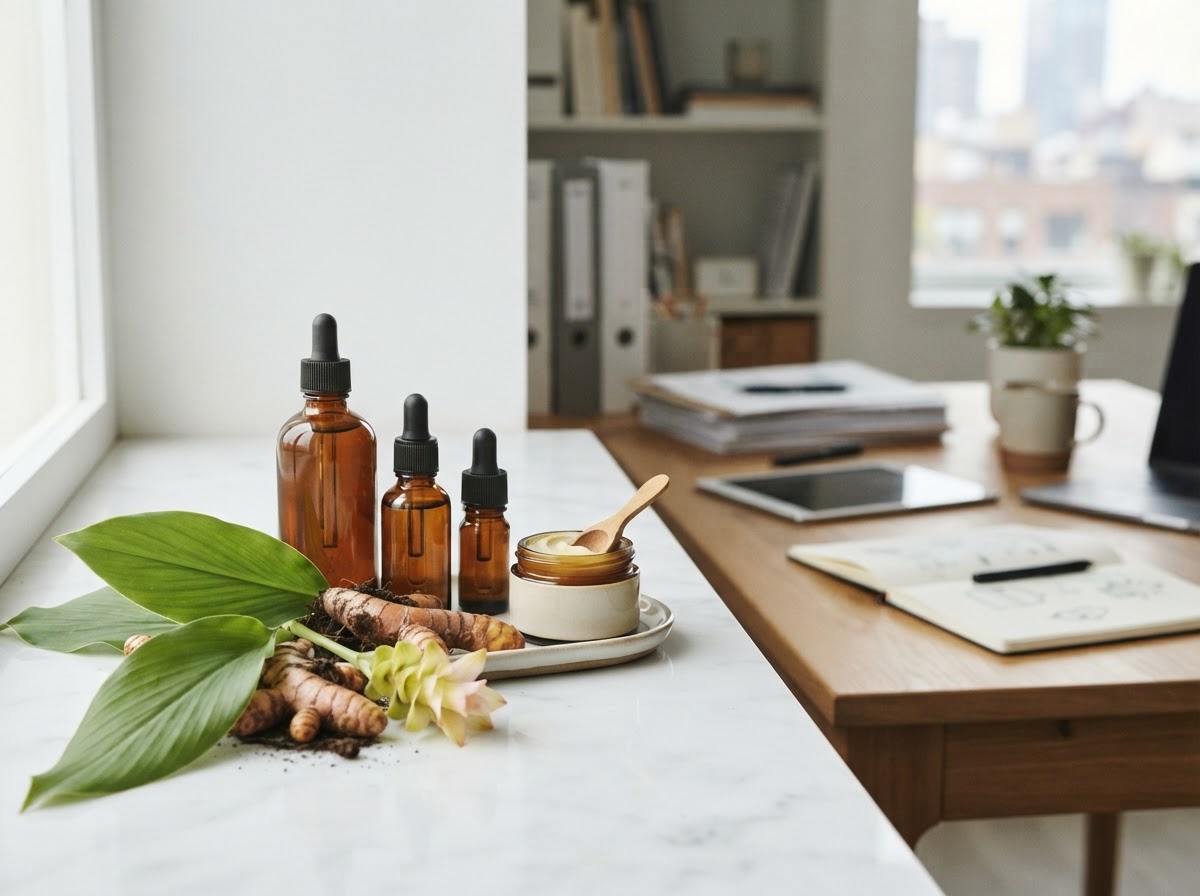
For most home formulators making personal-use skincare, candles, or diffuser blends, a 30ml turmeric essential oil bottle represents the sweet spot for a first serious purchase. It provides enough volume to develop a consistent recipe, assess how the oil behaves across several batches, and observe how the scent evolves over a few months of use. It is small enough to use up reasonably before oxidation becomes a concern, and large enough that cost-per-ml starts to feel fair.
This is the format most commonly recommended for people who are transitioning from dabbling with aromatics to building an intentional home blending practice.
50ml to 100ml: The Committed Formulator's Range
If you are producing botanical skincare in small batches for personal gifting, running an Etsy-scale operation, or building out a consistent aromatic practice that uses turmeric oil weekly, a 50ml to 100ml bottle starts to make economic sense. The price-per-ml drops noticeably, and you avoid the inconvenience of reordering frequently.
At this volume, storage discipline matters. Keep the bottle in a cool, dark location (a dedicated essential oil box or a cabinet away from heat sources works well). Minimize headspace by transferring to smaller secondary bottles as the main supply decreases.
250ml and Above: Bulk and Wholesale Territory
Quantities above 250ml are generally purchased by professional formulators, small cosmetic manufacturers, or candle brands incorporating turmeric oil as a signature note. At this scale, you need reliable supplier relationships, proper storage infrastructure, and a clear sense of your usage timeline. Buying bulk without a concrete production plan often leads to quality loss through slow turnover.
For anyone considering this range, our article on wholesale turmeric oil: bulk golden buying without guesswork covers supplier vetting, minimum order considerations, and documentation expectations in detail.
Key Features to Compare Across Products
| Feature | What to Look For | Red Flag |
|---|---|---|
| Botanical name | Curcuma longa clearly listed | "Turmeric oil" with no Latin name |
| Extraction method | Steam-distilled or CO2 specified | No method listed anywhere |
| GC/MS documentation | Batch-specific reports available | Generic certificates with no batch number |
| Color and viscosity | Pale yellow to golden, slightly viscous | Colorless, watery, or murky |
| Aroma character | Earthy, woody-spicy, warm | Harsh chemical note or no scent at all |
| Packaging | Dark amber or cobalt glass with dropper | Clear plastic bottles |
| Lot/batch number | Printed on label or included in paperwork | No traceability information |
Top Picks at Different Price Points
Rather than naming specific brands (product lines change and prices shift), here is a framework for evaluating what a fair price looks like at each tier.
Budget-Friendly (Under $10 for 10ml)
Affordable turmeric essential oil bottles in this range can be perfectly legitimate, particularly from established multi-line suppliers who achieve volume efficiencies. The key is not to assume low price equals low quality. Check: is the GC/MS report available? Is the botanical name present? If both answers are yes, a budget option from a reputable supplier is worth a trial purchase.
Avoid: listings on general marketplaces with no supplier information, no documentation links, and five-star reviews that read identically.
Mid-Range ($15 to $35 for 30ml)
This is the most populated and arguably most reliable price segment for best turmeric oil to buy decisions. Suppliers in this range typically offer full batch documentation, clear sourcing statements, and responsive customer service. A 30ml bottle in this tier is the recommendation for most first-time buyers who have moved past casual curiosity.
Premium ($40 and Above for 30ml)
Premium pricing can reflect genuinely superior sourcing: single-origin, small-batch distillation, organic certification, or CO2 extraction processes that are costlier to run. It can also reflect marketing overhead. Ask the supplier specifically what drives their pricing. A confident answer about distillation partners or farm certifications is reassuring. Vague language about "superior quality" without specifics is not.
Red Flags That Should Stop a Purchase
- Unrealistic pricing. Genuine turmeric essential oil requires meaningful agricultural input and distillation infrastructure. A 30ml bottle listed at $2.99 is almost certainly adulterated, mislabeled, or not what it claims to be.
- No dropper or orifice reducer. Turmeric essential oil needs controlled dispensing. A bottle without a reducer invites spills, waste, and accidental over-concentration in blends.
- Clear glass or plastic packaging. Light degrades volatile aromatic compounds. Any supplier packaging turmeric oil in clear or translucent containers either does not understand photodegradation or does not care about shelf stability.
- Claims that sound too good. Language implying miraculous outcomes or dramatic results is a signal that a brand is either uninformed about responsible marketing or deliberately misleading. Neither is a company you want supplying your ingredients.
- No customer service contact. If you cannot find a way to ask questions before purchase, you have no recourse if the product arrives with concerns.
Where to Buy Turmeric Essential Oil
Specialist aromatics suppliers consistently outperform general-purpose marketplaces on documentation, sourcing transparency, and product integrity. Look for companies whose primary business is plant-derived aromatic ingredients, not one essential oil among ten thousand unrelated products.
Reputable specialty retailers typically offer: sortable batch documentation databases, clear return or replacement policies for quality concerns, and staff who can answer specific questions about distillation origin. These are baseline expectations, not exceptional service.
General marketplace platforms can work, but require more due diligence from you as the buyer. Filter for sellers who provide documentation links in their listings, respond to pre-purchase questions, and have review histories that reference actual product quality rather than shipping speed alone.
For a thorough walkthrough of vetting any supplier before your first purchase, how to buy turmeric oil: the complete guide to purity covers the full process from listing evaluation to certificate verification.
Safety Notes for Turmeric Essential Oil
Before incorporating any turmeric essential oil bottle into a topical project, a few practical notes:
- Turmeric essential oil may cause skin sensitization in some individuals. Conduct a patch test on a small area before broader topical use.
- Always dilute in an appropriate carrier oil before skin contact. A common starting dilution is 1% or lower for a new oil on new skin.
- Turmeric oil can temporarily stain light-colored fabrics and surfaces. Handle with care near anything you prefer to keep unstained.
- Consult a qualified healthcare provider before use during pregnancy or if you have any health considerations that may be relevant.
Making Your First Order
The best turmeric oil to buy for a first purchase is almost always a 30ml bottle from a documented specialty supplier, confirmed with a GC/MS report, in dark glass with an orifice reducer. That combination gives you enough volume to learn the oil properly, protection for quality during storage, and the paper trail that confirms you are working with what you think you are working with.
Once you know your usage rate after one full bottle, the next size decision becomes straightforward. You will know whether you reach the bottom of a 30ml in two months or eight, and that usage data tells you exactly where to go next on the turmeric oil sizes spectrum.